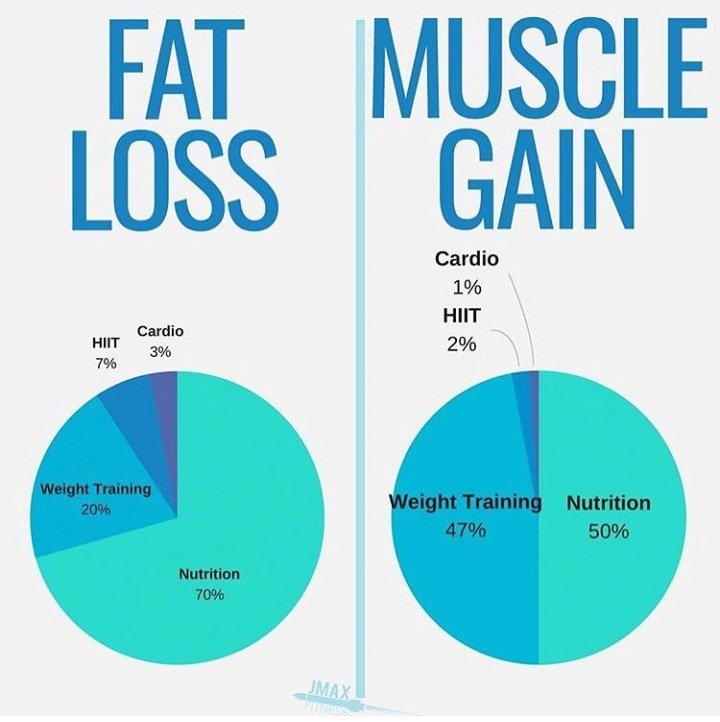
Your body is a wonderfully complex machine. Without any conscious direction from you, your body manages to convert food into energy, regulate your body temperature, create new cells, remove waste, and perform thousands of other processes to keep you alive and healthy.
Because your body is such a complex machine, a lot of misconceptions and half a truths exist about how it works, especially when it comes to muscle and fat. This makes it hard to figure out what’s true and what isn’t when it comes to body composition, especially since nowadays there seems to be a supplement for everything and a steady stream of late a night infomercials claiming to have the next greatest invention for fat loss or muscle gain.
Does muscle increase weight?
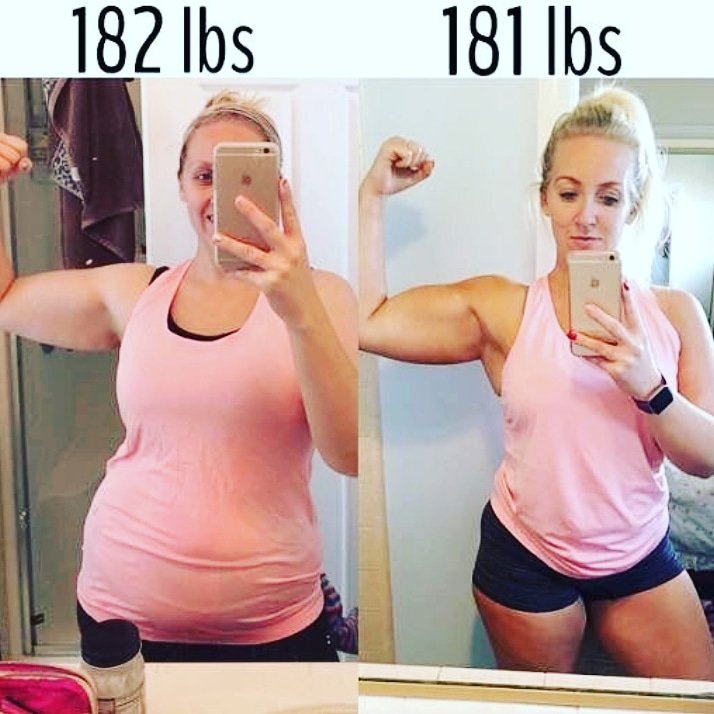
Yes. If you gain muscle, you’ll gain weight. This is even true for individuals who shed fat while increasing their strength. Remember that the number on the scale doesn’t tell the whole story. 8fit’s primary workout program consists of strengths building, fats burning HI IT workouts. As you progress through your individualized workout program, you’ll notice your strength increases as your waistline decreases.
Does muscle weigh more than fat?One pound of muscle and one pound of fat weigh the same: one pound. The difference is the amount of space they both take up.
Muscle vs. fat density: Which one is more dense?Why does muscle weigh more than fat? It all has to do with density and overall composition. Muscles are made of long fibers tightly woven together. Fat, on the other hand, is composed of different sized droplets and some are more full than others. These droplets stick to each other but leave some empty space in between.
There’s 2 types of Fat – and one is really dangerous
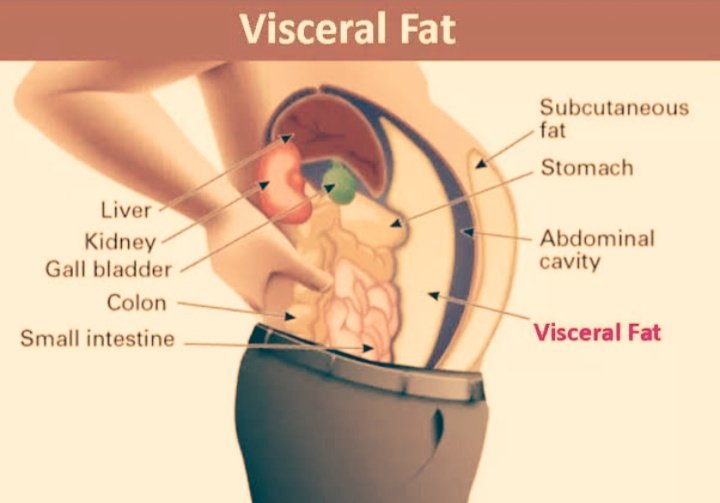
Most people know that being overweight can lead to health problems over the long term, but not many people know why. Current research is now revealing that your fat mass isn’t just empty weight like a bag of sand, but is in fact metabolically active tissue that acts like an organ inside your body.
But unlike the other organs inside your body that are designed to help keep your body in proper condition, excess visceral fat works to sabotage it.
Fat mass, and particularly visceral (belly) fat, can have significant negative effects on your health. Visceral fat spreads certain types of chemical called cytosine into the body, and although cytosine aren’t by their nature harmful, the types of cytosine emitted by fat can have serious repercussions on insulin resistance, cholesterol level, and blood pressure.
Over time, visceral fat can lead to developing serious diseases like cardiovascular disease and type 2 diabetes. For skinny fat individuals, they may not be aware their high visceral fat level puts them at risk for these disease because visually they look “healthy” in comparison to obese individuals. In actuality, they share similar health risks. Fortunately, working to reduce fat mass in your body can help reduce some of these harmful effects visceral fat can have.
Muscle Doesn’t Become Fat
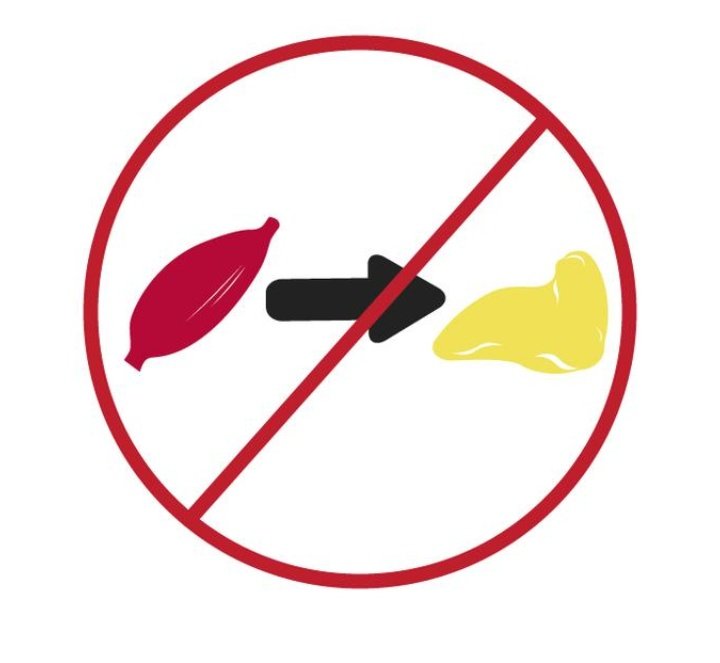
Admit it– you were pretty sure it didn’t work like this, but you sometimes catch yourself saying that your muscle turned into fat.
Although your body is an amazing machine, there is no process by which your body converts muscle to fat. Many people comment that their muscle has turned into fat after they stop working out regularly, and it really does seem like that’s what’s occurring – you were once lean and muscular, and now you have less muscle and look flabbier. But what’s really going on is a change in body compositions a loss in muscle mass that occurs at the same time fat mass increases.
Start your transformation today
Stay fit 👍 and keep supporting

 HEALTH ZONE