Visceral Fat (Active Fat)
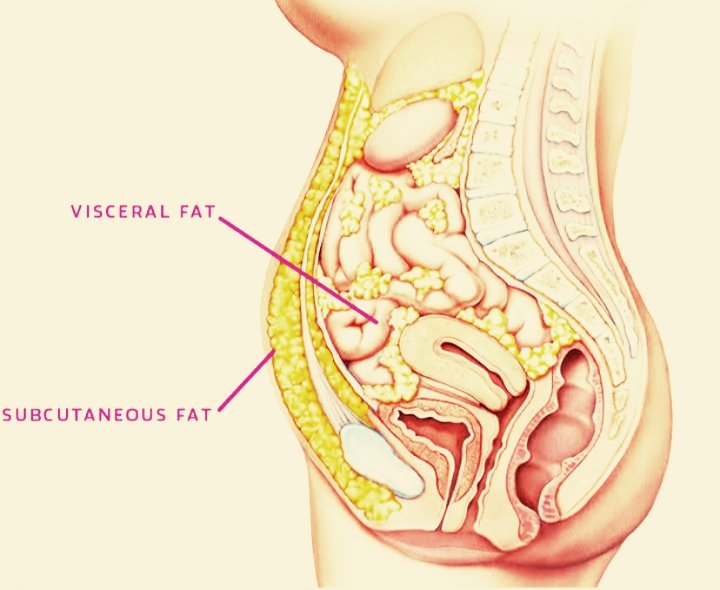
Visceral fat is body fat that is stored within the abdominal cavity and is therefore stored around a number of important internal organs such as the liver, pancreas and intestines.
Visceral fat is sometimes referred to as ‘active fat’ because research has shown that this type of fat plays a distinctive and potentially dangerous role affecting how our hormones function.
Storing higher amounts of visceral fat is associated with increased risks of a number of health problems including type 2 diabetes.
What types of fat do we store?
It is important to define the difference between visceral fat and subcutaneous fat. Subcutaneous fat is the fat that we store just under our skin. The fat we may be able to feel on our arms and legs is subcutaneous fat.
A growing belly can be the result of both types of fat. The fat we can feel just under the skin is subcutaneous fat but we may also be storing significant extra fat within our abdomen where our organs reside. This intra abdominal fat is our visceral fat.
Visceral fat and insulin resistance
Carrying a high amount of visceral fat is known to be associated with insulin resistance, which can lead to glucose intolerance and type 2 diabetes. Researchers have found that visceral secretes a protein called retinol – binding protein 4 (RBP4) which has been shown to increase resistance to insulin.
What are the health risks associated with visceral fat?
All of us will have a certain amount of visceral fat but those of us with a larger quantity of visceral fat may be exposed to increased risks of the following health conditions.
Type 2 diabetes
Heart disease
Breast cancer
Colorectal cancer
Alzheimer’s disease
How can I tell if I have too much visceral fat?
The most certain way to tell if you are storing excess visceral fat is to undergo an MRI scan (Magnetic Resonance Imaging scan). However, MRI scans are not a cheap procedure and is therefore not recommended as a diagnosis tool for diabetes risk.
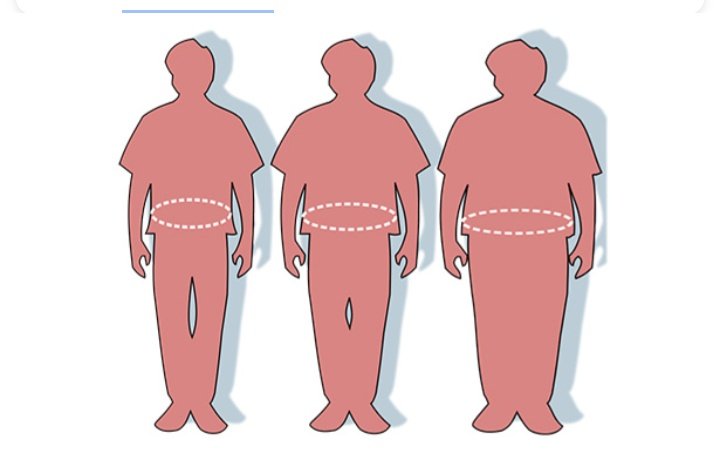
A relatively good indicator of visceral fat is to take a waistline measurement. Harvard University note around 10% of our total fat is likely to be stored as visceral fat, therefore if you are carrying higher amounts of body fat than is recommended, it is therefore more likely that you are also storing more visceral fat than is healthy.
Research has shown that the size of our belly is a relatively reliable indicator of the health risks linked to visceral fat.
Subcutaneous fat
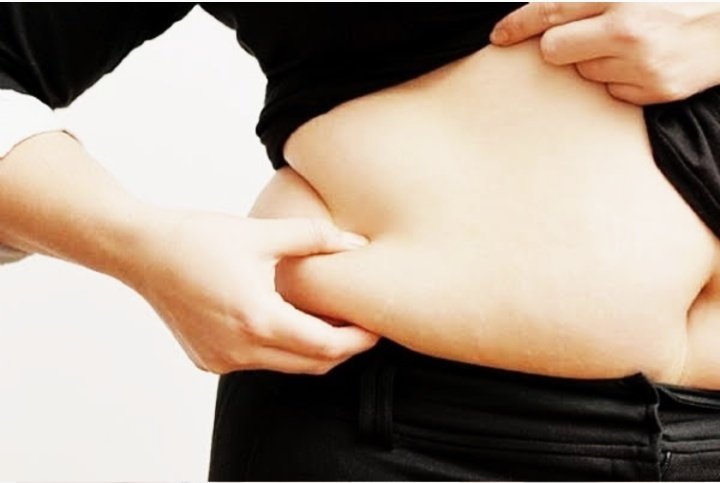
Your body has two primary kinds of fat: subcutaneous fat (which is under the skin) and visceral fat (which is around the organs).
The amount of subcutaneous fat you develop depends on genetics as well as lifestyle factors such as physical activity and diet.
What causes subcutaneous fat?

Everybody is born with subcutaneous fat. Aside from genetics, people typically have greater amounts of subcutaneous fat if they:
eat more calories than they burn
are sedentary
have little muscle mass
get little aerobic activity
have diabetes
are insulin resistant
Why do we have subcutaneous fat?
The top layer of your skin is the epidermis. The middle layer is the dermis. Subcutaneous fat is the deepest layer.
Subcutaneous fat has five main functions:
It’s the one way that your body stores energy.
It functions as a padding to protect your muscles and bones from the impact of hits or falls.
It serves as a passageway for nerves and blood vessels between your skin and your muscles.
It insulates your body, helping it regulate temperature.
It attaches the dermis to the muscles and bones with its special connecting tissue.
Is subcutaneous fat bad for you?
Subcutaneous fat is an important part of your body, but if your body is storing too much of it, you may be at a higher risk for health problems including:
heart disease and strokes
high blood pressure
type 2 diabetes
certain types of cancer
sleep apnea
fatty liver disease
kidney disease
What Is Subcutaneous Fat?
Medically reviewed by Judith Marcin, MDon July 18, 2018 — Written by Scott Frothingham
Causes
Risks
Symptoms
Treatment
Outlook
Subcutaneous fat vs. visceral fat
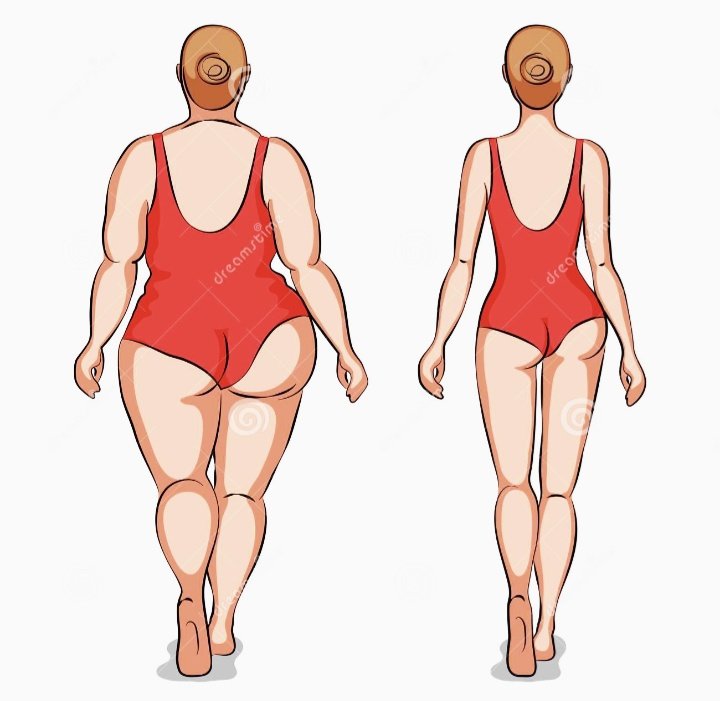
Your body has two primary kinds of fat: subcutaneous fat (which is under the skin) and visceral fat (which is around the organs).
The amount of subcutaneous fat you develop depends on genetics as well as lifestyle factors such as physical activity and diet.
People with a large amount of subcutaneous fat often have a large amount of visceral fat.
How to tell if you have too much subcutaneous fat
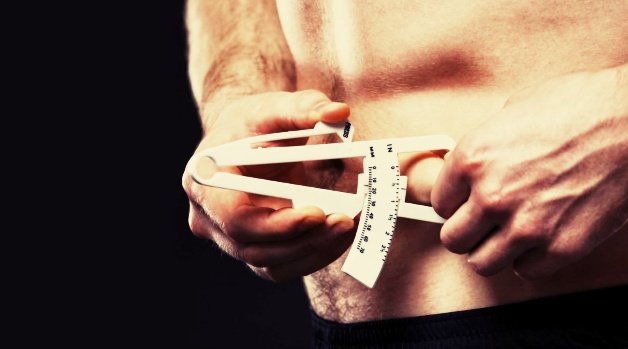
One way of determining if you are overweight is by measuring your body mass index (BMI), which provides the ratio of your weight to your height:
normal weight: BMI of 18.5 to 24.9
overweight: BMI of 25 to 29.9
obesity: BMI of 30 or higher
Another way to determine whether you have excess fat is to measure your waist size. It’s been suggested that men with a waist size over 40 inches and women with a waist size over 35 inches could have a higher risk of developing obesity-related diseases.
How to get rid of subcutaneous fat
The two most frequently recommended methods for shedding excess subcutaneous fat are diet and physical activity.
Diet
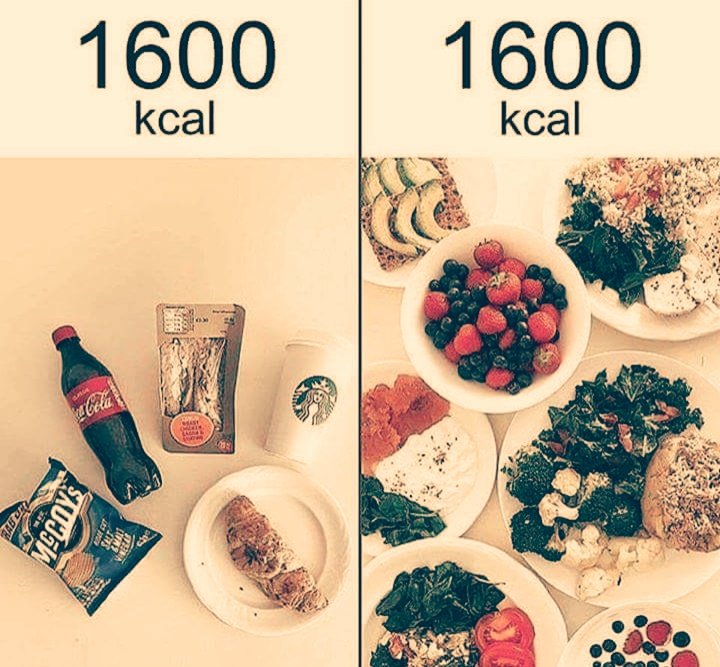
The basic principle of losing subcutaneous fat via diet is to consume fewer calories than you burn.
There are a number of dietary changes that help improve the types of food and drink you consume. The American Heart Association and the American College of Cardiology recommend a healthful diet that is high in fruits, vegetables, fiber, whole grains and nuts.
It should also contain lean proteins (soy, fish, or poultry) and should be low in added sugars, salt, red meat, and saturated fats.
Physical activity

One way your body stores energy is by building up subcutaneous fat. To get rid of the buildup of subcutaneous fat, you must burn energy/calories.
Aerobic activity is a recommended way to burn calories and includes walking, running, cycling, swimming, and other movement- based activities that increase the heart rate.

Many people who are increasing their activity to lose subcutaneous fat also participate in strength training like lifting weights. This type of activity increases lean muscle which can boost your metabolism and help burn calories.
Stay fit👍 and keep supporting.

 HEALTH ZONE